

The Great Wildebeest Migration Explained
The Great Wildebeest Migration is the largest wildlife movement on Earth. Every year, over two million wildebeest, zebras, and gazelles travel across the Serengeti in Tanzania and the Maasai Mara in Kenya. They follow seasonal rainfall in search of fresh grass and water.
This incredible journey covers nearly 1,000 kilometers. Along the way, the animals face hungry predators, strong river currents, and harsh weather conditions. As a result, every stage of the migration offers unforgettable wildlife encounters.
For many travelers, this event represents the ultimate African safari experience.
Why the Wildebeest Migration Is So Famous
The migration is more than a simple movement of animals. Instead, it is a continuous cycle of survival, renewal, and natural balance.
Thousands of predators closely follow the herds. Lions, leopards, cheetahs, hyenas, and crocodiles rely on this annual migration for food. Consequently, visitors often witness dramatic hunting scenes during game drives.
In addition, photographers and wildlife enthusiasts visit from around the world. They hope to capture breathtaking moments that cannot be found anywhere else.
The Migration Route Throughout the Year
January to March – Calving Season
The migration begins in the southern Serengeti. During this period, nearly half a million calves are born within a few weeks.
This season attracts many predators because young calves are easy targets. Nevertheless, it is also one of the best times to witness new life in the African wilderness.
April to June – Journey North
As the rains end, the herds begin moving northwest. They pass through central and western Serengeti while searching for greener grazing areas.
Large columns of animals stretch across the plains. Therefore, visitors enjoy spectacular wildlife viewing and excellent photography opportunities.
July to October – Mara River Crossings
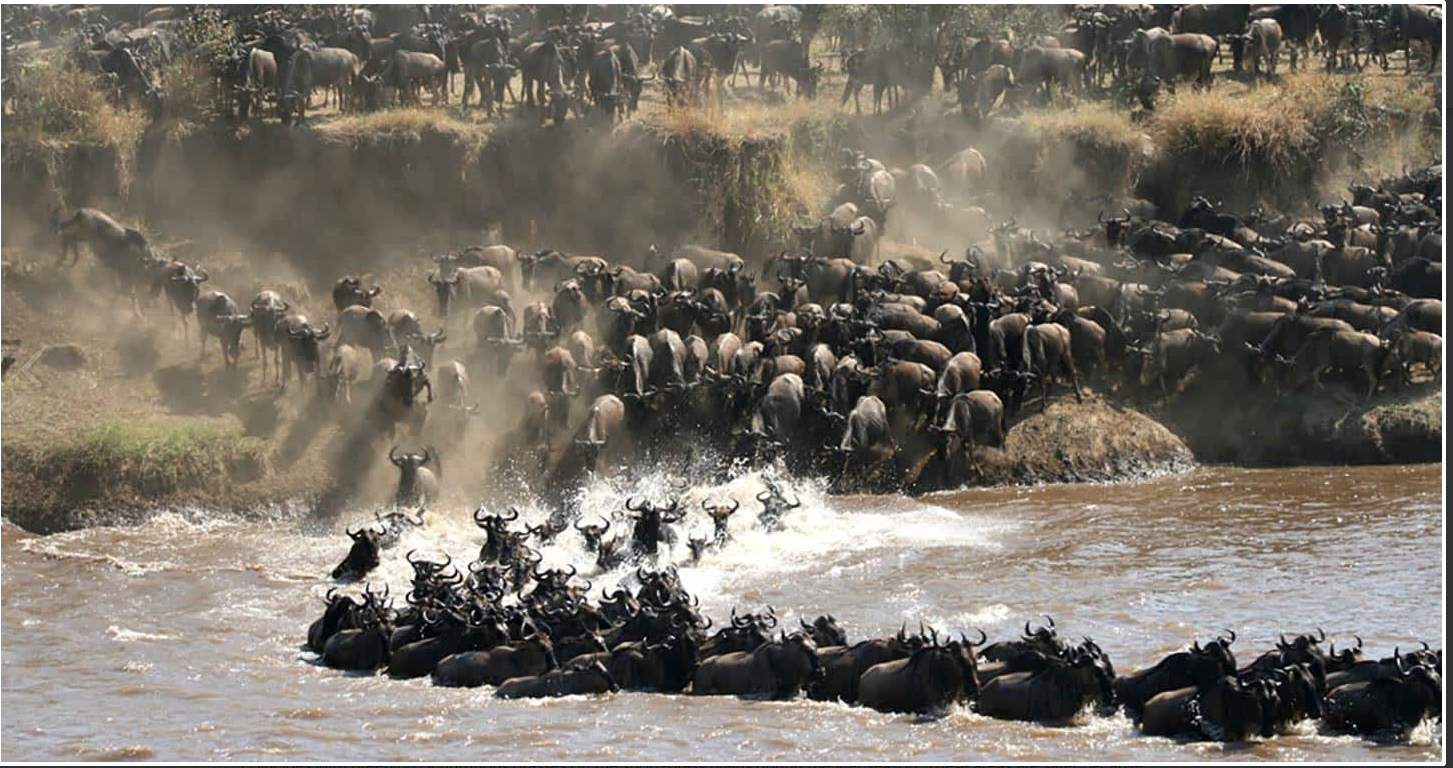
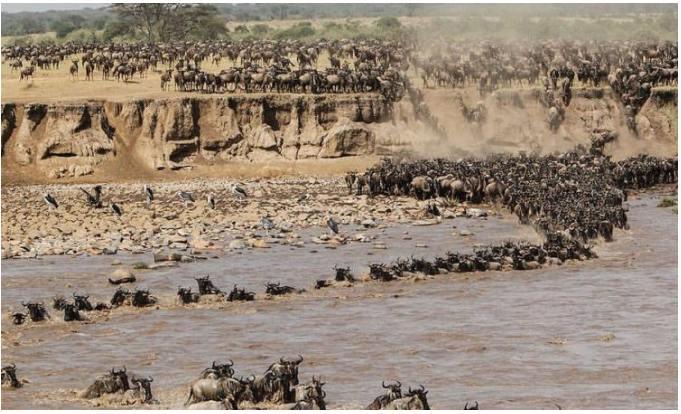
This is the most famous stage of the migration. The herds reach the Mara River between northern Serengeti and Kenya’s Maasai Mara.
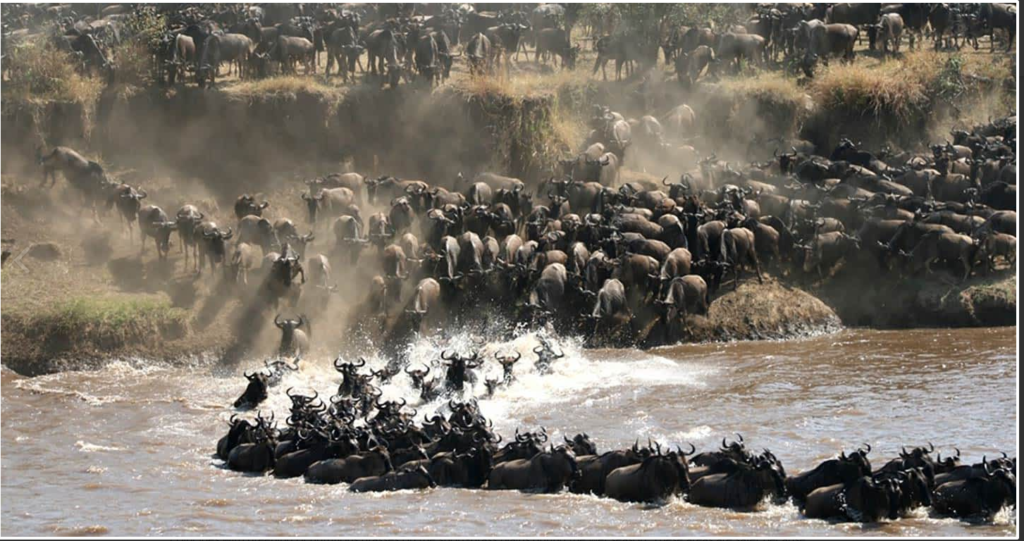
River crossings are dramatic and unpredictable. Crocodiles wait beneath the water while predators patrol the riverbanks. Meanwhile, thousands of wildebeest leap into the river together.
These unforgettable crossings remain one of Africa’s greatest natural spectacles.
November to December – Return to Tanzania
As seasonal rains begin in southern Tanzania, the herds gradually return to the Serengeti.
Fresh grass covers the plains once again. Consequently, the migration cycle starts over and prepares for another calving season.
Best Time to See the Wildebeest Migration
The best travel period depends on the experience you want.
- January to March: Calving season and predator activity.
- April to June: Fewer crowds and beautiful green landscapes.
- July to October: Famous Mara River crossings.
- November to December: Returning herds and peaceful game viewing.
Each season offers something unique. Therefore, there is no wrong time to experience the migration.
Best Places to Witness the Migration
Serengeti National Park
Serengeti National Park hosts the migration for most of the year. Different regions provide excellent wildlife viewing depending on the season.
Southern Serengeti is ideal during calving. Meanwhile, central and western areas become active during the northward movement. Northern Serengeti offers outstanding river crossing experiences.
Maasai Mara National Reserve
The Maasai Mara becomes the migration’s main attraction between July and October.
Massive herds spread across the open plains. At the same time, lions, cheetahs, leopards, elephants, giraffes, and buffalo create exceptional game viewing throughout the reserve.
Wildlife You Will See
Although the migration focuses on wildebeest, many other species make every safari memorable.
You may encounter:
- Wildebeest
- Plains zebras
- Thomson’s gazelles
- Lions
- Leopards
- Cheetahs
- Spotted hyenas
- Nile crocodiles
- African elephants
- Cape buffalo
- Giraffes
- Hippos
- Hundreds of bird species
As a result, every game drive delivers exciting wildlife encounters.
Photography Tips for the Migration
Successful wildlife photography requires preparation.
Carry a zoom lens for distant subjects. Furthermore, bring extra batteries and memory cards. Early mornings and late afternoons provide the best lighting conditions.
Patience also plays an important role. Wildlife movements are unpredictable, yet waiting often rewards photographers with incredible images.
Travel Tips for Your Migration Safari
Planning ahead improves your safari experience.
Book accommodation several months early, especially for peak migration months. Choose experienced safari guides because they understand animal movements.
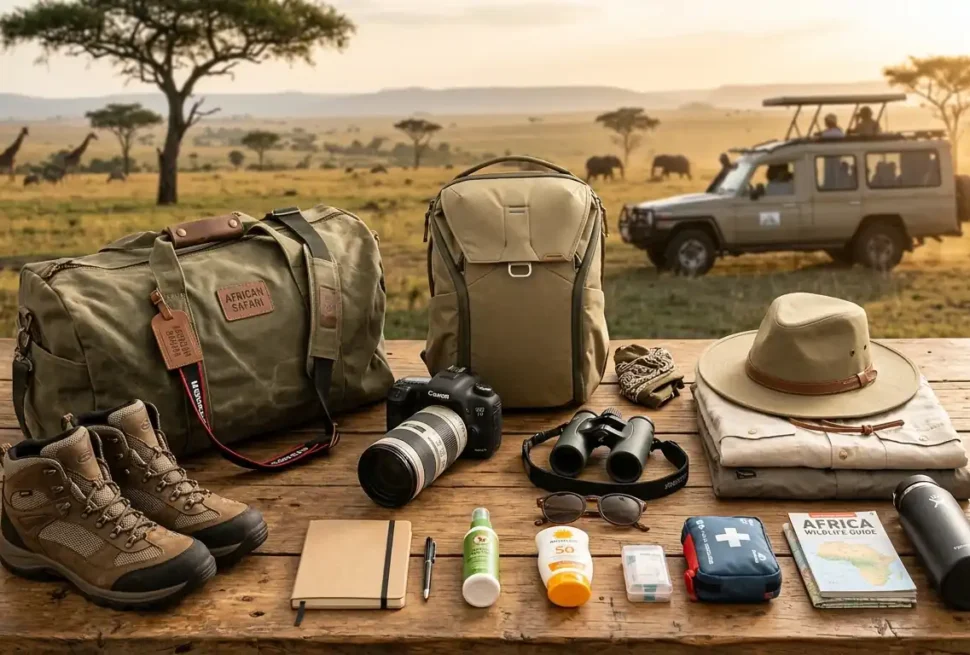
Wear neutral-colored clothing to blend into the environment. Additionally, pack sunscreen, binoculars, comfortable shoes, and a quality camera.
Finally, allow several days for your safari. Longer stays increase your chances of witnessing river crossings and predator action.
Why the Great Wildebeest Migration Should Be on Your Bucket List
The Great Wildebeest Migration offers one of the world’s greatest wildlife experiences. Every stage reveals remarkable moments of survival, beauty, and adventure.
Whether you watch dramatic river crossings, witness thousands of newborn calves, or photograph predators in action, every safari creates lifelong memories.
For nature lovers, photographers, and adventure seekers, the Great Wildebeest Migration remains the ultimate African safari.
Book your Kenya or Tanzania safari today and experience one of the Seven Natural Wonders of Africa firsthand.