

Planning a Kenya Safari from Europe is an exciting opportunity to experience Africa’s incredible wildlife, dramatic landscapes and diverse cultures. From witnessing the Great Wildebeest Migration in the Maasai Mara to watching elephants beneath Mount Kilimanjaro in Amboseli, Kenya offers unforgettable safari experiences for European travellers. With the right planning, booking your flights, choosing the best safari destinations and arranging accommodation can be simple and stress-free.
This complete guide explains how to plan a Kenya Safari from Europe, including the best time to visit, how to get to Kenya, visa requirements, safari costs, recommended national parks and useful travel tips.
Why Choose a Kenya Safari from Europe?
Kenya is one of Africa’s most accessible and rewarding safari destinations for travellers from Europe. Several major European cities offer convenient flight connections to Nairobi, making it relatively easy to begin your African adventure.
A Kenya Safari from Europe can also be tailored to different travel styles and budgets. Whether you are planning a luxury honeymoon, family holiday, private safari, photography adventure or budget-friendly trip, there are options to suit your needs.
Some of the top reasons to choose Kenya include:
- Incredible wildlife, including the Big Five
- The world-famous Maasai Mara
- The Great Wildebeest Migration
- Amboseli’s large elephant herds
- Beautiful views of Mount Kilimanjaro
- Luxury lodges and affordable safari camps
- Beautiful Indian Ocean beaches
- Rich Maasai and Kenyan cultures
- Excellent safari guides and experienced local operators
How to Plan a Kenya Safari from Europe Step by Step
Planning your safari in advance helps you secure the best flights, accommodation and experiences. Follow these important steps when organizing your trip.
Decide When to Take Your Kenya Safari from Europe
The best time for a Kenya Safari from Europe depends on what you want to experience.
Kenya is a year-round safari destination, but wildlife experiences vary by season.
June to October: Dry Season
This is one of the best periods for wildlife viewing. Animals gather around water sources, vegetation is less dense and game viewing is generally easier.
July to October is also the most popular period for travellers hoping to see the Great Wildebeest Migration in the Maasai Mara.
November to December: Short Rains
The landscape becomes greener and visitor numbers are often lower. This can be an excellent period for travellers looking for good safari value.
January to March: Excellent Wildlife Viewing
These months are generally dry and warm. Wildlife viewing remains excellent, especially in Amboseli, Maasai Mara and other major parks.
April to May: Long Rains
This is usually the greenest period of the year and can offer lower accommodation rates. However, some roads may become difficult to access because of heavy rainfall.
Best Time for a Kenya Safari from Europe
For most travellers, the best time for a Kenya Safari from Europe is between June and October. This period offers excellent wildlife viewing and the possibility of seeing the Great Migration.
However, January to March is also an excellent choice, particularly for travellers looking for good weather and fewer crowds.
If your main priority is wildlife photography, birdwatching or travelling during lower-priced periods, other months can also offer excellent safari experiences.
Choose the Best Safari Destinations in Kenya
Kenya has many national parks and reserves, each offering a different experience. Your itinerary should depend on your available time and interests.
Maasai Mara National Reserve
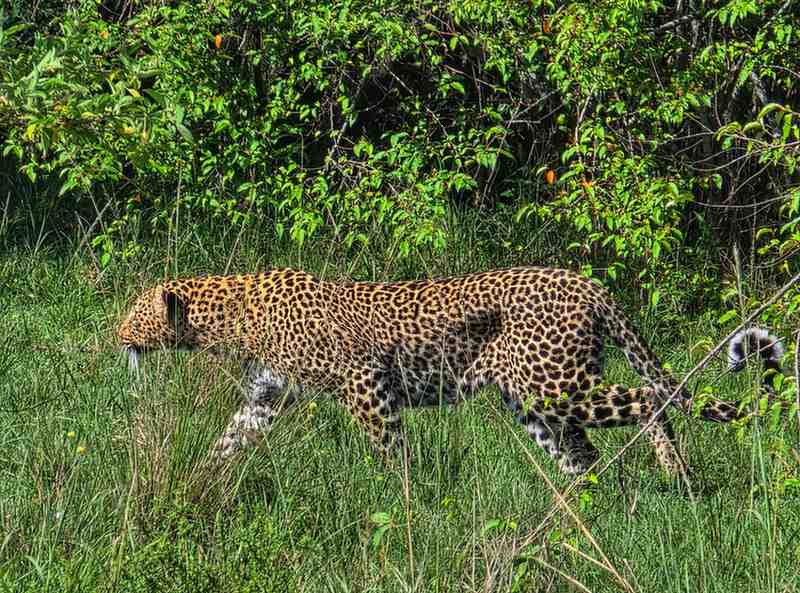
The Maasai Mara is Kenya’s most famous safari destination. It is known for its large populations of lions, leopards, elephants, buffaloes and other wildlife.
The reserve is especially famous for the Great Wildebeest Migration, when huge herds of wildebeest and zebras move through the ecosystem.
A typical Maasai Mara safari can include:
- Big Five game viewing
- Great Migration viewing
- Hot air balloon safaris
- Maasai cultural experiences
- Wildlife photography
- Luxury tented camps
Amboseli National Park
Amboseli is famous for its large elephant herds and spectacular views of Mount Kilimanjaro.
It is an excellent choice for travellers who want close wildlife encounters and iconic African landscapes.
Lake Nakuru National Park
Lake Nakuru is well known for its rhinos, Rothschild’s giraffes and diverse birdlife.
It can easily be included in a longer Kenya safari itinerary between Nairobi and the Maasai Mara.
Lake Naivasha and Hell’s Gate National Park
Lake Naivasha offers a relaxing break between game drives. Visitors can enjoy boat rides, walking experiences and cycling in selected areas.
Hell’s Gate is also popular because visitors can experience the landscape outside a traditional safari vehicle.
Tsavo East and Tsavo West National Parks
Tsavo offers vast wilderness areas, large elephant herds and dramatic landscapes. These parks work particularly well when combining a safari with a beach holiday at the Kenyan coast.
Book Your Flights from Europe to Kenya
Most European travellers arrive at Jomo Kenyatta International Airport in Nairobi.
Depending on your departure city, you may find direct flights or convenient one-stop connections.
Major European departure cities may include:
- London
- Amsterdam
- Paris
- Frankfurt
- Rome
- Zurich
- Madrid
It is often best to arrive in Nairobi at least one night before starting a longer safari. This allows you time to recover from your international flight before travelling to the national parks.
When booking flights, consider:
- Total travel time
- Connection duration
- Arrival time in Nairobi
- Baggage allowance
- International and domestic flight schedules
Visa and Travel Requirements for European Travellers
Before travelling, European visitors should check Kenya’s current entry and travel requirements.
Ensure your passport has sufficient validity and that you understand the latest requirements for travel authorization before departure.
It is also important to check recommendations regarding:
- Passport validity
- Travel authorization requirements
- Yellow fever requirements where applicable
- Travel insurance
- Vaccination and health advice
Requirements can change, so travellers should always confirm official information before travelling.
How Many Days Do You Need for a Kenya Safari?
The ideal length of a Kenya Safari from Europe depends on your budget and available holiday time.
5 to 6 Days
Ideal for a shorter safari focusing on two or three destinations.
Example:
- Nairobi
- Lake Nakuru
- Maasai Mara
7 to 8 Days
A good option for travellers who want a more relaxed experience.
Example:
- Amboseli
- Lake Naivasha
- Lake Nakuru
- Maasai Mara
10 to 14 Days
Perfect for combining a longer safari with the Kenyan coast.
Example:
- Nairobi
- Amboseli
- Lake Naivasha
- Maasai Mara
- Diani Beach
How Much Does a Kenya Safari from Europe Cost?
The cost of a Kenya Safari from Europe varies depending on several factors, including:
- Number of travellers
- Travel season
- Accommodation category
- Private or group safari
- Number of safari days
- Park fees
- Internal flights or road transfers
- Included activities
As a general guide, Kenya offers:
Budget Safaris
Suitable for travellers looking for affordable camps, shared transport or simpler accommodation.
Mid-Range Safaris
A popular choice for couples, families and small groups looking for comfortable lodges and quality safari experiences.
Luxury Safaris
These can include exclusive lodges, private vehicles, premium tented camps and additional experiences such as hot air balloon safaris.
Travelling as a couple, family or group can sometimes provide better value because certain transport costs can be shared.
Choose Between a Private or Group Safari
European travellers can choose between private and group safaris.
Private Kenya Safari from Europe
A private safari gives you greater flexibility. You can often customize:
- Departure times
- Daily activities
- Accommodation
- Safari pace
- Destinations
- Game drive schedules
This is ideal for families, couples, photographers and groups of friends.
Group Safari
A group safari can be more affordable because transport and certain services are shared.
However, schedules may be less flexible.
Choose the Right Accommodation
Kenya offers accommodation for almost every budget.
Options include:
- Budget safari camps
- Mid-range lodges
- Luxury tented camps
- Boutique safari properties
- Exclusive conservancy lodges
When choosing accommodation, consider location carefully. Staying inside or close to a national park can reduce travel time and provide more opportunities for wildlife viewing.
What Should You Pack for a Kenya Safari from Europe?
Packing correctly will make your safari more comfortable.
Important items include:
- Lightweight clothing
- Long-sleeved shirts
- Comfortable trousers
- A warm jacket for early morning game drives
- Comfortable walking shoes
- Hat
- Sunglasses
- Sunscreen
- Camera and spare batteries
- Power bank
- Binoculars
- Personal medication
- Travel insurance documents
Neutral colours such as khaki, beige and green are often practical for safari activities.
Temperatures can change during the day, so layers are useful, especially in highland areas and during early morning game drives.
Should You Book Through a Local Safari Company?
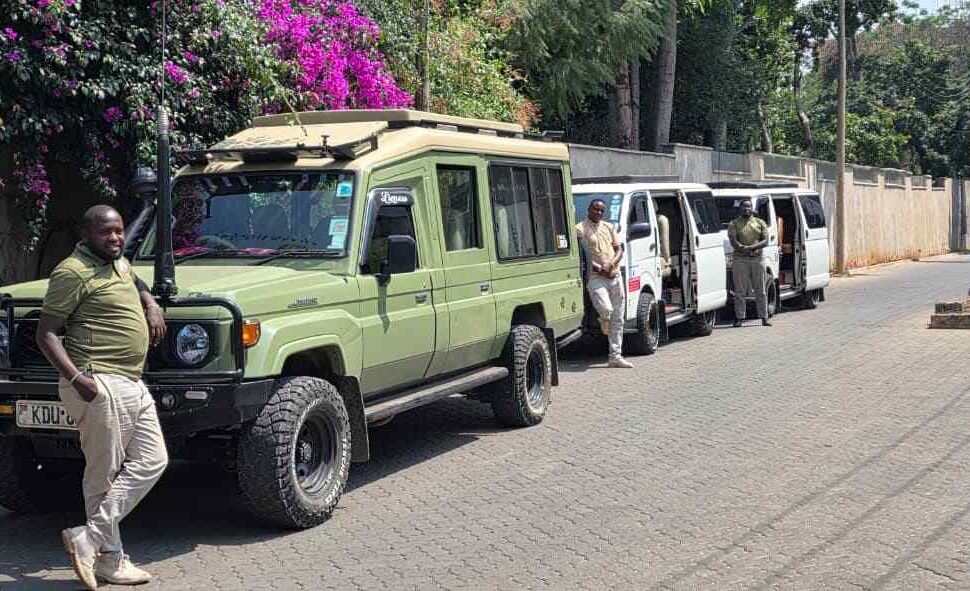
Booking with a reputable local tour operator can make planning a Kenya Safari from Europe much easier.
A local company can assist with:
- Safari itinerary planning
- Airport transfers
- Accommodation booking
- Park entry arrangements
- Professional safari guides
- Transport
- Domestic flights
- Special activities
- Emergency support during your trip
Local safari experts also understand driving times, seasonal wildlife movements and which accommodations work best for different itineraries.
How Far in Advance Should You Book?
For travel during the Great Migration season, it is advisable to start planning several months in advance.
The most popular travel periods can fill up quickly, particularly for:
- Maasai Mara lodges
- Luxury tented camps
- Family rooms
- Private villas
- Christmas and New Year holidays
For July to October travel, booking early can provide more accommodation choices.
A Sample 8-Day Kenya Safari from Europe
Here is an example itinerary for first-time visitors:
Day 1: Arrive in Nairobi
Arrive at Jomo Kenyatta International Airport and transfer to your hotel.
Day 2: Nairobi to Amboseli National Park
Travel to Amboseli and enjoy an afternoon game drive.
Day 3: Full Day in Amboseli
Explore the park and search for elephants, lions, giraffes and other wildlife.
Day 4: Amboseli to Lake Naivasha
Travel through the Kenyan countryside towards the Great Rift Valley.
Day 5: Lake Naivasha to Lake Nakuru National Park
Enjoy wildlife viewing and search for rhinos and Rothschild’s giraffes.
Day 6: Lake Nakuru to Maasai Mara
Travel to the Maasai Mara and enjoy an afternoon game drive.
Day 7: Full Day Maasai Mara Safari
Spend the day exploring one of Africa’s greatest wildlife destinations.
Day 8: Maasai Mara to Nairobi
Enjoy a final safari experience before travelling back to Nairobi for your onward journey.
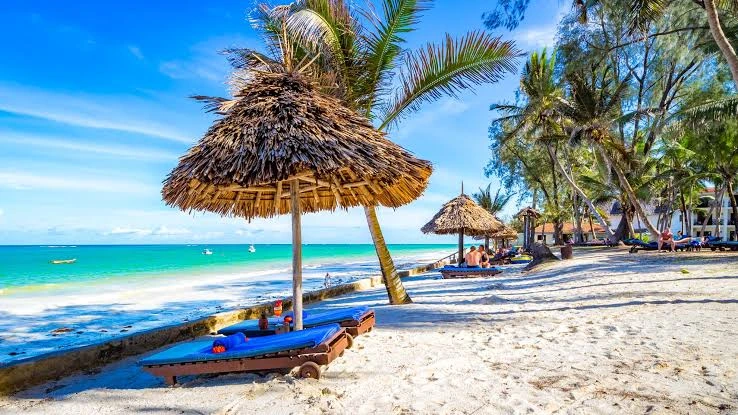
Add a Beach Holiday to Your Kenya Safari
One of the biggest advantages of Kenya is the opportunity to combine a wildlife safari with a beach holiday.
After your safari, you can continue to destinations such as Diani Beach or other coastal areas.
A safari and beach combination allows you to experience:
- Wildlife adventures
- Indian Ocean beaches
- Snorkelling
- Diving
- Relaxation
- Coastal culture
This combination is especially popular with honeymooners and couples travelling from Europe.
Tips for Planning a Kenya Safari from Europe
When organizing your trip, keep these important tips in mind:
Plan Your Kenya Safari from Europe Early
Early planning gives you more choice, especially during the busiest travel seasons.
Work With Safari Specialists
Choose experienced professionals who understand the destinations and can create a realistic itinerary.
Avoid Trying to Visit Too Many Parks
Long driving distances can reduce your safari experience. It is often better to spend more time in fewer destinations.
Consider Domestic Flights
For shorter holidays, domestic flights can reduce long road transfers.
Allow Time Before Your International Flight
If possible, avoid planning a long road journey immediately before your flight home.
Frequently Asked Questions About a Kenya Safari from Europe
Is Kenya safe for European tourists?
Kenya is a major international tourism destination, and thousands of visitors travel there for safaris each year. Travellers should use reputable tour operators, follow local guidance and take normal travel precautions.
What is the best month for a Kenya safari?
July to October is popular for the Great Migration and dry-season wildlife viewing. January to March also offers excellent safari conditions.
Can I combine Kenya with Tanzania?
Yes. A longer East African safari can combine destinations such as the Maasai Mara, Serengeti and Ngorongoro Crater.
How much spending money do I need?
This depends on what is included in your safari package. You should budget for personal expenses, drinks where not included, tips, souvenirs and optional activities.
Is English spoken in Kenya?
Yes. English is widely used, particularly in tourism, hotels and business.
Plan Your Dream Kenya Safari from Europe With Local Experts
A Kenya Safari from Europe can be one of the most memorable travel experiences you will ever have. From the endless plains of the Maasai Mara to Amboseli’s elephants and the beautiful beaches of the Kenyan coast, the country offers an incredible variety of experiences.
The key to a successful safari is careful planning. Choose the right travel season, allow enough time for each destination, select accommodation that matches your budget and work with experienced local safari specialists.
At Journeymark Tours & Travel, we create customized Kenya safaris for travellers looking for authentic wildlife experiences, comfortable accommodation and seamless travel planning. Whether you are travelling as a couple, family, solo traveller or group of friends, we can help you design a safari that matches your interests, travel dates and budget.